Commercial Waste Removal in Hounslow
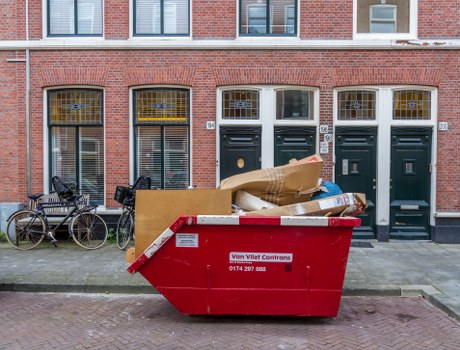
Commercial waste removal in Hounslow helps businesses keep premises clear, workable and ready for daily trade. We deal with a broad mix of non-hazardous commercial waste, from office furniture and packaging to broken fixtures, retail refuse and other operational build-up that needs planned collection rather than ad hoc disposal. The service is designed to support shops, offices, workshops and managed premises that need practical clearance without unnecessary disruption.
The service is focused on removing waste from business settings in a way that suits the site, the volume and the type of material involved. That can mean one-off clearances after a refit, regular removal of accumulated items, or a targeted visit for bulky waste that cannot go out with standard collections. If you need a straightforward way to clear commercial waste in Hounslow, this page gives a clear view of the main service and how to request a quotation.
We keep the arrangement simple: tell us what needs removing, where it is located and any access points or handling concerns that may affect collection. For a quote, use the pricing and quotes page or make an enquiry through the site if you already know the type of waste you need cleared.
Business waste collections for day-to-day operations

Business waste removal is often about keeping the everyday flow of a site moving. Offices may need desks, chairs, filing units and mixed junk removed after refurbishments or relocations. Retail units often need packaging, display fittings and surplus stock taken away. Light industrial or trade premises may need stacked offcuts, damaged items and general waste cleared from corners, storage areas or loading bays. The aim is to restore usable space without creating more handling than necessary.
For many customers, the decision is less about what can be removed and more about the most efficient way to handle it. Good planning helps with route access, lifting points and sorting items that can be separated for recycling or disposal. If your site generates mixed waste over time, a regular or repeated collection can be more manageable than letting it build up into a larger job. Commercial clearance works best when the collection matches the way the premises actually operate.
Useful examples of business waste include outdated desks, office chairs, shelving, internal partition materials, cardboard, shrink wrap, redundant small equipment and general clutter from storage rooms. Where items are still usable, they can be separated from waste streams if that is part of the agreed approach. The key point is to match the removal method to the condition of the items, the access available and the nature of the premises.
Office, retail and workspace clearances
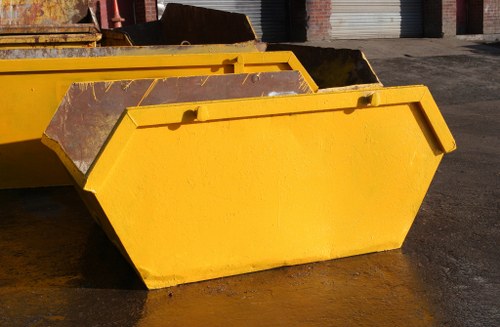
Office and workspace clearances often need a more considered approach than a simple load-and-go collection. Desks, cabinets, monitors, meeting-room furniture and archive materials may all need handling in one visit, but each category can require different preparation. A tidy clearance order helps avoid blocking corridors, reception areas or exits, particularly where there are shared premises or staged refurbishments in progress.
For retail and front-of-house settings, the work may include removing counter units, display stands, back-room storage items and general commercial junk left after a stock change. Where flooring, partitioning or shelving is being replaced, the clearance can be organised so the waste is ready when the follow-on work starts. If there are items you want separated from the main load, make that clear at the quotation stage so the collection can be planned properly.
In many commercial environments, the useful question is not simply how much waste there is, but how it is stored and how soon it needs to go. A packed storeroom, an overspill office, or a back shop area with bulky items stacked against walls each need a different approach. When the waste is described clearly, it is easier to plan the right crew, the right access and the right removal method.
What we remove from commercial premises

Our commercial waste removal service can cover a wide range of non-hazardous items commonly found in business properties. That may include office furniture, shelving, packaging, broken fittings, shop waste, storage junk and general commercial clutter that no longer serves a purpose. It is also common for businesses to ask for appliance removal, mattress disposal or other bulky items that are no longer wanted on site.
Where specific item types need separate handling, it helps to group them before collection if you can do so safely. For example, furniture disposal may sit alongside broader clearance work, or a set of redundant items may need to be removed before a room can be re-used. Below are some typical commercial categories we can help with:
- Office furniture and workstation items
- Retail fittings, storage units and display pieces
- General business waste and mixed rubbish
- Bulky furniture and broken fixtures
- Selected appliance and equipment removal
Managing access, sorting and load preparation
A well-organised collection starts with the practicalities on site. Waste that is easy to reach can usually be removed more efficiently than items hidden behind stock, stacked in narrow corridors or stored behind locked internal doors. If the premises have limited access, it helps to explain whether there are stairs, lifts, loading restrictions, timed entry arrangements or shared entrances. That information supports a more accurate quotation and a smoother collection.
It also helps to separate items by type where this can be done without creating extra handling. Mixed loads are common, but grouping furniture, cardboard, small fixtures and loose waste can make the collection process more orderly. If there are items that should stay behind, label them clearly or keep them apart from the removal area. That is especially useful in offices, shared buildings and retail spaces where several teams may be operating at once.
When you request a quotation, the most useful details are usually the volume of waste, the kind of material involved, and the access conditions at the property. Photos can help, but a clear written description is still valuable because it explains what the pictures do not show, such as stairs, narrow passages or restricted loading points. Clear information leads to a more reliable estimate and reduces the chance of avoidable changes on the day.
About Hounslow
Hounslow is a large district in west London with a long history shaped by transport, trade and settlement along key routes west of the city. The name is most commonly associated with the town centre and the wider London Borough of Hounslow, which stretches towards neighbouring areas such as Chiswick, Brentford, Isleworth, Feltham and Heathrow. The district’s development has been influenced by the old road network, the expansion of rail and underground links, and the growth of suburban housing and commercial corridors over the nineteenth and twentieth centuries. Hounslow High Street remains one of the best-known local commercial streets, reflecting the area’s role as a retail and service centre. The borough includes a mix of residential districts, business parks, historic streets and newer transport-led development, with a varied urban character rather than a single uniform centre. Hounslow Heath is one of the most notable green spaces in the area, remembered both for its open landscape and its historic association with military activity and older travel routes. The borough also sits close to the River Thames and includes parts of the river corridor through Brentford and Isleworth, while the nearby Grand Union Canal adds another layer to the transport and industrial history of the district. Architecture in Hounslow ranges from older parish buildings and Victorian terraces to post-war estates, shopping parades and more recent redevelopment. Cultural life is similarly mixed, shaped by the borough’s diverse communities, local markets, faith buildings and everyday high-street activity. As a whole, Hounslow combines dense urban neighbourhoods, major travel infrastructure and pockets of open land, making it one of west London’s more varied and interconnected areas.
Materials, recycling and responsible disposal
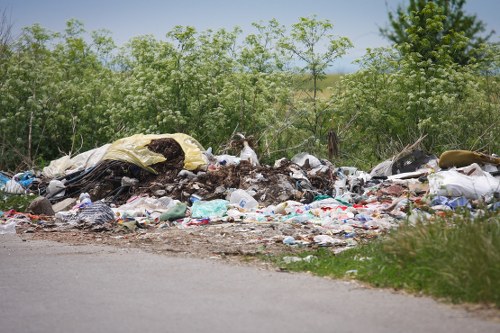
Where commercial waste is removed, the next question is often what happens to it afterwards. Mixed items may need to be separated into recoverable and non-recoverable streams, while certain materials can be diverted for recycling where facilities allow. This matters for businesses that want a practical disposal route and also need a clear record of how the unwanted items are handled. The right process depends on the composition of the load and the condition of the waste at collection.
Some waste types are straightforward, such as unwanted office furniture, packaging or general clear-out material. Others are more specific, including items like fridges, appliances, mattresses or confidential paperwork. Where specialist handling is needed, it should be identified early so the collection can be arranged appropriately. For example, confidential shredding is a different task from ordinary rubbish removal, and hazardous waste requires particular care rather than a standard clearance approach.
If you are comparing options, it is sensible to ask what is included in the removal and whether any material needs to be prepared separately. That can help with budgeting and with deciding whether a single collection or a staged approach is better for the site. For a quote, send the details through now and we’ll help you plan the next step.
Commercial clearances after changes, moves and fit-outs
Businesses often need waste removed at transition points rather than as part of routine daily operations. A move to another unit, an office reconfiguration, a retail fit-out or the closure of a storage area can all leave bulky items and mixed debris that need quick but orderly removal. In these situations, the clearance usually has a clear start and finish point, with waste accumulated from several parts of the site in one planned load.
This type of work can include dismantled furniture, redundant fixtures, removed shelving and assorted materials left behind after decorators, fitters or contractors have finished. It is especially useful where the premises need to be handed back, reopened or brought back into use. We can help with the practical side of clearing the unwanted material so the space can be put to its next use without lingering clutter.
Where business changes are staged over a few days or longer, collections can be timed to match the work sequence. That can reduce congestion and make it easier to keep circulation spaces clear. If there are objects that may be reused elsewhere, separate them before collection so the load is easier to manage and the remaining space can be organised more effectively.
Pricing factors and quotation details
Commercial waste removal prices are usually shaped by the amount of material, the type of items, the access at the property and whether any specialist handling is needed. Larger volumes generally take more time and space to remove, while awkward access can add extra lifting or carrying. The more specific the description, the more useful the quotation can be. This is why a short note about the premises often matters as much as the list of items.
It also helps to think about whether the waste is ready to go or still mixed with items that must remain on site. If there are separate piles, locked rooms, basement stores or shared corridors, mention them in one place rather than trying to describe everything in stages. That makes it easier to understand the job as a whole and to decide whether a single visit will work best. Plain, accurate information is usually the most valuable part of the enquiry.
Before you request a price, it is worth checking whether the collection needs to be coordinated with staff, tenants, contractors or building management. If it does, include that in your note so the timing can be matched to the site. Then send your details and ask for a quotation when you are ready.
Why businesses in Hounslow choose a planned clearance
A planned clearance is usually easier to manage than leaving waste to build up over time. It gives businesses a defined point at which unwanted items will be taken away, which can be particularly helpful before inspections, reopenings or internal changes. It also makes it easier to keep back rooms, staff areas and storage zones usable while day-to-day work continues elsewhere in the building.
Different premises need different approaches, so the value of the service lies in matching the collection to the site rather than forcing the site to fit a generic method. A small office may need only a few bulky items taken away, while a larger commercial unit may need several categories of waste handled together. In both cases, the goal is the same: remove what is no longer needed and leave the remaining space ready for normal use.
If you would like to arrange commercial waste removal in Hounslow, start with a short description of the items and the access conditions. Contact us for a quotation or use the site’s quote page if you prefer to set out the details in writing first.